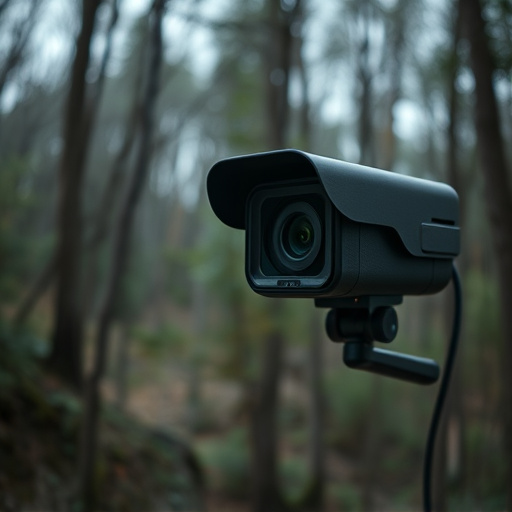
Electromagnetic signals are invisible but powerful tools for surveillance detection. In a dark room setup, high-sensitivity sensors and signal processing units identify hidden cameras and listening devices by picking up unique RF and IR emissions. Leading equipment like SignalSniper and MultiSense offer specialized capabilities—SignalSniper for discreet operations, and MultiSense for diverse signal types. A dedicated dark room environment minimizes interference, enhancing detection accuracy. By leveraging advanced software and algorithms to analyze electromagnetic patterns, professionals create powerful security systems, as illustrated by the transformative impact of a Dark Room Surveillance Equipment Comparison.
Uncover the secrets of dark room surveillance with our comprehensive guide. In today’s world, understanding electromagnetic signals is key to effective monitoring. We demystify this concept in the opening section, laying a foundation for novice and expert alike.
Then, we delve into the heart of the matter: essential components of top-tier dark room equipment and an in-depth comparison analysis. Discover the best devices for signal detection and learn advanced techniques to optimize your setup. Optimize your surveillance strategy with our expert tips.
- Understanding Electromagnetic Signals: A Foundation for Detection
- Essential Components of Dark Room Surveillance Equipment
- Comparison: Top Surveillance Devices and Their Signal-Catching Abilities
- Tips for Optimizing Your Setup: Enhancing Signal Detection
- Advanced Techniques: Going Beyond Standard Surveillance Equipment
Understanding Electromagnetic Signals: A Foundation for Detection
Electromagnetic signals are an integral part of modern life, and understanding them is key to effective surveillance device detection. These signals, often invisible to the naked eye, carry information that can reveal a wealth of data about devices and their users. In the context of dark room surveillance equipment comparison, knowledge of electromagnetic signatures becomes a powerful tool for identifying hidden cameras and other covert listening devices.
Each type of surveillance equipment emits or interacts with electromagnetic waves uniquely. From radio frequency (RF) signals used by wireless cameras to infrared (IR) emissions from night vision devices, these signals leave trails that can be detected and analyzed. By studying these patterns and utilizing specialized dark room surveillance equipment, professionals can unmask hidden sentinels, ensuring a safer and more secure environment in any setting.
Essential Components of Dark Room Surveillance Equipment
When comparing dark room surveillance equipment, understanding the essential components is crucial for effective setup and optimal performance. Key elements include high-sensitivity electromagnetic sensors capable of detecting subtle signals, often obscured by noise and interference. These sensors, such as RF (radio frequency) or EMF (electromagnetic field) detectors, are designed to pick up on the faint emissions from various devices like cameras, microphones, and GPS trackers.
Additionally, a robust signal processing unit is vital for analyzing and filtering detected signals in real-time. This component must be able to distinguish between genuine signals and environmental noise, ensuring accurate identification of any clandestine surveillance equipment. Advanced algorithms and digital signal processing techniques play a significant role here, allowing the system to adapt to varying conditions and provide reliable intelligence.
Comparison: Top Surveillance Devices and Their Signal-Catching Abilities
In the realm of dark room surveillance equipment, various devices cater to different needs and environments. When comparing top-tier options, understanding their signal-catching abilities is paramount. One leading device, the SignalSniper, excels in detecting even faint electromagnetic signals thanks to its advanced sensors and noise cancellation technology, making it ideal for discreet and quiet operations.
In contrast, the MultiSense system stands out for its versatility. Capable of picking up a broader spectrum of signals, from radio frequencies to infrared, it offers a comprehensive surveillance solution. This multi-sensory approach allows users to monitor environments with diverse signal types, including those often overlooked by specialized equipment. Such comparisons highlight the importance of tailoring surveillance equipment choices to specific requirements, ensuring optimal performance in any setting.
Tips for Optimizing Your Setup: Enhancing Signal Detection
To optimize your surveillance setup and enhance signal detection, consider creating a dark room environment for your equipment. A dedicated dark room minimizes external electromagnetic interference from devices like computers, phones, and appliances that can disrupt your signals. This controlled space allows for more precise analysis and detection of weak signals.
When setting up your dark room, ensure proper shielding by using metal cabinets or enclosures for your surveillance gear. Compare different surveillance equipment models, focusing on those designed for optimal performance in such environments. High-quality sensors and advanced signal processing capabilities are key features to look for in Dark Room Surveillance Equipment Comparison. Regular calibration and maintenance of your devices will further enhance detection accuracy, ensuring you capture every detail needed.
Advanced Techniques: Going Beyond Standard Surveillance Equipment
In the realm of surveillance, staying ahead of technology’s curve is paramount. While traditional dark room surveillance equipment offers a foundational level of protection, advanced techniques and specialized tools can significantly enhance detection capabilities. A deep dive into these cutting-edge methods reveals a world where every electromagnetic signal is scrutinized, from radio frequency (RF) to infrared (IR).
Comparing various surveillance devices, professionals now leverage sophisticated software that deciphers patterns in complex signals. This goes beyond simple hardware, employing intricate algorithms to isolate and identify even subtle emissions. Such innovations, when integrated into a comprehensive system, create an impenetrable defense mechanism—a true game-changer in the ever-evolving landscape of security measures.
In the realm of dark room surveillance equipment, understanding electromagnetic signals and their detection is a game-changer. This article has provided an in-depth guide, from the fundamentals of signal types to advanced techniques, ensuring readers can navigate this intricate landscape effectively. Through a thorough dark room surveillance equipment comparison, we’ve highlighted key components and strategies to optimize setup, enhancing signal-catching abilities significantly. By embracing these tips and techniques, users can revolutionize their surveillance capabilities, ensuring they stay ahead in today’s digital era.